
ACS Services
Design-Build Construction Canmore

Commercial and multi-family construction projects in Canmore move faster, cost less to manage, and carry less risk when design and construction are coordinated from day one. Ashton Construction Services (ACS) offers an integrated design-build delivery model for clients across Canmore and the Bow Valley who want a single, accountable team from pre-construction planning through to project completion.
Rather than managing separate contracts with a design team and a general contractor — and dealing with the communication gaps that can develop between them — design-build clients work with one team, one contract, and one point of contact throughout the entire project.
What Is Design-Build Construction?
Design-build is a project delivery method in which the owner contracts with a single entity — the design-builder — to provide both architectural and engineering design services and construction. This differs from the traditional design-bid-build model, where an owner first hires a designer, then separately selects a contractor through a competitive bid process.
In the design-build model, the contractor is involved from the earliest stages of design. This means construction knowledge informs design decisions in real time, reducing the risk of costly design changes during the build phase. It also means the schedule can be compressed: construction can begin on completed portions of the project while design continues on others.
Design-Build vs. Traditional Design-Bid-Build
| Factor | Design Build | Design-Bid-Build |
|---|---|---|
| Contracts | Single contract | Multiple contracts |
| Accountability | One team | Split between designer & contractor |
| Schedule | Compressed (fast-tracking possible) | Sequential phases |
| Cost certainty | Earlier in the process | Later, after the full design is complete |
| Change risk | Lower — construction knowledge informs design | Higher — design changes are costly post-bid |
| Communication | Integrated team | The owner manages two separate relationships |

Integrated Design-Build Advantages
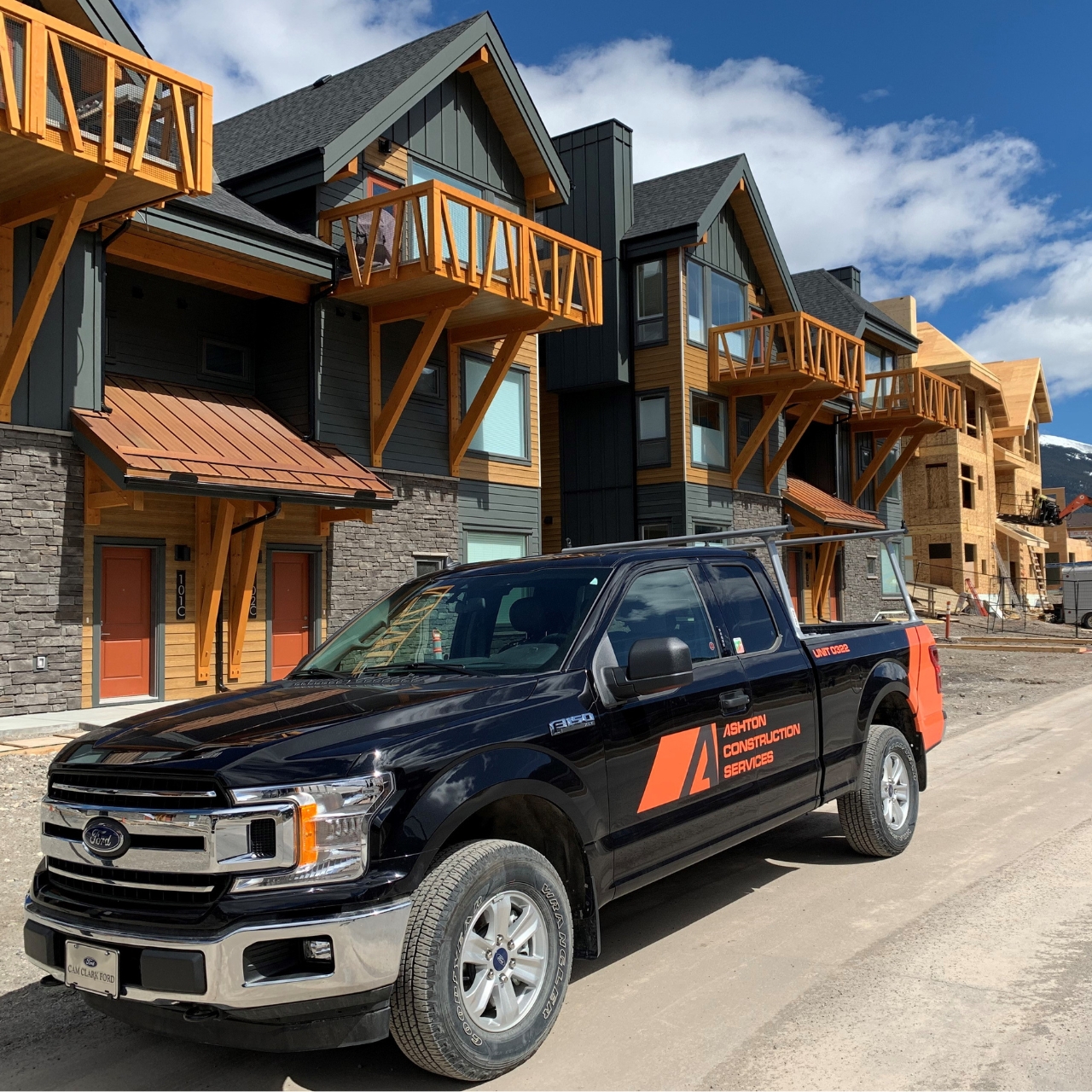
For commercial operations, like Wild Life Distillery or KFC Canmore, and multi-family clients, like Lake Louise Ski Resort or the Slopes at Stewart Creek in Canmore and throughout the Bow Valley, the design-build model offers several meaningful advantages over traditional project delivery.
Streamlined Project Delivery
When design and construction are managed by the same team, the handoff between phases is seamless. There is no re-learning curve when construction begins, no translation of design intent across separate organizations, and no delay waiting for the contractor to come up to speed on a project they weren’t part of designing.
ACS manages design coordination, pre-construction planning, and construction execution as a unified process. Our team engages early with architects and engineers, providing constructability input that prevents costly design revisions down the line.
Cost Certainty
One of the most significant advantages of design-build is the ability to establish cost certainty earlier in the project lifecycle. Because the contractor is involved during design, pricing can be validated at key milestones rather than waiting until a full set of construction documents is ready for tendering.
For developers and commercial clients with fixed budgets, this early cost visibility is a material advantage. It reduces the risk of value-engineering late in the process — when changes are most disruptive — and allows for more informed decisions about scope and specification early on, when adjustments are still straightforward.
Collaborative Design Process
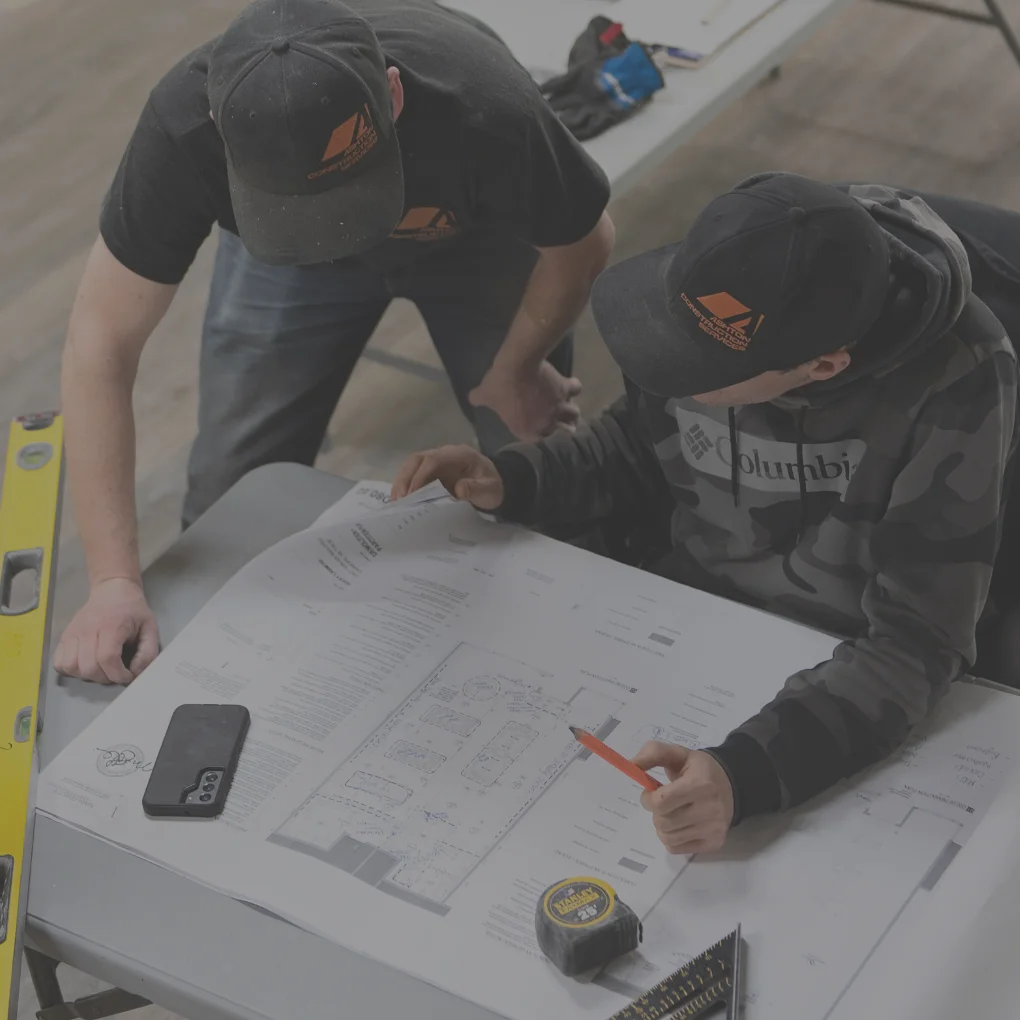
Design-build does not mean the owner loses control of design decisions. At ACS, we approach design-build as a collaborative process, working closely with owners, their design teams, and other stakeholders to ensure the project reflects the client’s vision while remaining buildable, budget-conscious, and code-compliant.
Our team brings practical construction knowledge to design conversations — flagging potential issues before they become field problems, proposing material alternatives where appropriate, and ensuring that what is drawn can actually be built on the site, within the budget, and on the timeline the project requires.
Single Point of Accountability
In a traditional delivery model, disputes about responsibility can arise between the design team and the contractor. In design-build, there is a single point of accountability. If an issue arises — whether design-related or construction-related — the owner deals with one team and one contract, not a dispute between two separate parties.
This simplicity reduces the administrative burden on the owner and keeps the project moving forward rather than getting bogged down in contractual finger-pointing.
Design-Build in Canmore’s Construction Environment
Canmore’s construction environment presents conditions that make the design-build model particularly well-suited to local projects. Tight timelines driven by short construction seasons, complex regulatory requirements, and the logistical challenges of building in a mountain resort community all benefit from integrated design and construction management.
ACS has built its reputation in the Bow Valley on understanding these conditions and delivering projects that reflect the quality standards Canmore demands. Our familiarity with Town of Canmore development approval processes, Heritage District design guidelines, and the local subcontractor network means our design-build clients benefit from relationships and regional expertise that take years to develop.
Design-Build Project Types We Support
- Commercial tenant improvements and office renovations
- Multi-family and workforce housing developments
- Food and beverage and retail construction/renovation
- Mixed-use commercial and residential projects
- Community and affordable housing developments
Frequently Asked Questions:
Is design-build suitable for smaller commercial projects?
Yes. While design-build is commonly associated with large developments, the model’s core advantages — integrated team, single point of accountability, and early cost certainty — apply across a range of project scales. ACS works with commercial clients on both large-scale multi-family developments and smaller commercial renovation and tenant improvement projects using design-build principles.
Does ACS work with the client's existing design team?
In most cases, ACS coordinates directly with the project’s architect and engineering consultants as part of the design-build process. We can also work with clients who come to us with an existing design team in place, integrating our construction management expertise into the team structure while maintaining a collaborative process with all parties.
Jessie Ashton, founder and Senior Architectural Technologist at Nest Design and Drafting Studio, offers exclusive in-house Architectural Design services to our clients who haven’t engaged a designer for their construction project. This partnership ensures our clients have access to the best combination of skills and experience to bring their projects to successful completion.
How does design-build affect the approval process with the Town of Canmore?
ACS’s familiarity with Canmore’s development approval processes is an advantage in any delivery model. In design-build, our early involvement means we can flag regulatory considerations during the design phase rather than after drawings are submitted. This reduces the likelihood of significant revisions at the permit stage and helps maintain the project schedule.
What are the risks of design-build?
Design-build requires a high level of trust between the owner and the design-builder, as the traditional checks and balances of separate design and construction contracts are consolidated. ACS mitigates this through transparent communication, regular reporting, and a collaborative approach that keeps owners informed and involved throughout the project. Selecting an experienced, reputable design-build contractor is the most important risk mitigation step an owner can take.
Start Your Design-Build Project in Canmore
If you’re planning a commercial or multi-family project in Canmore and want the efficiency, cost certainty, and accountability of design-build delivery, Ashton Construction Services is ready to help.
Call us at 403-688-3500 or contact Ashton Construction Services to schedule a consultation and discuss your design-build project.
Tenant Improvement & Commercial Renovations
Large Commercial & Complex Construction
Multi-Unit &
Employee Housing
Leaders in commercial construction